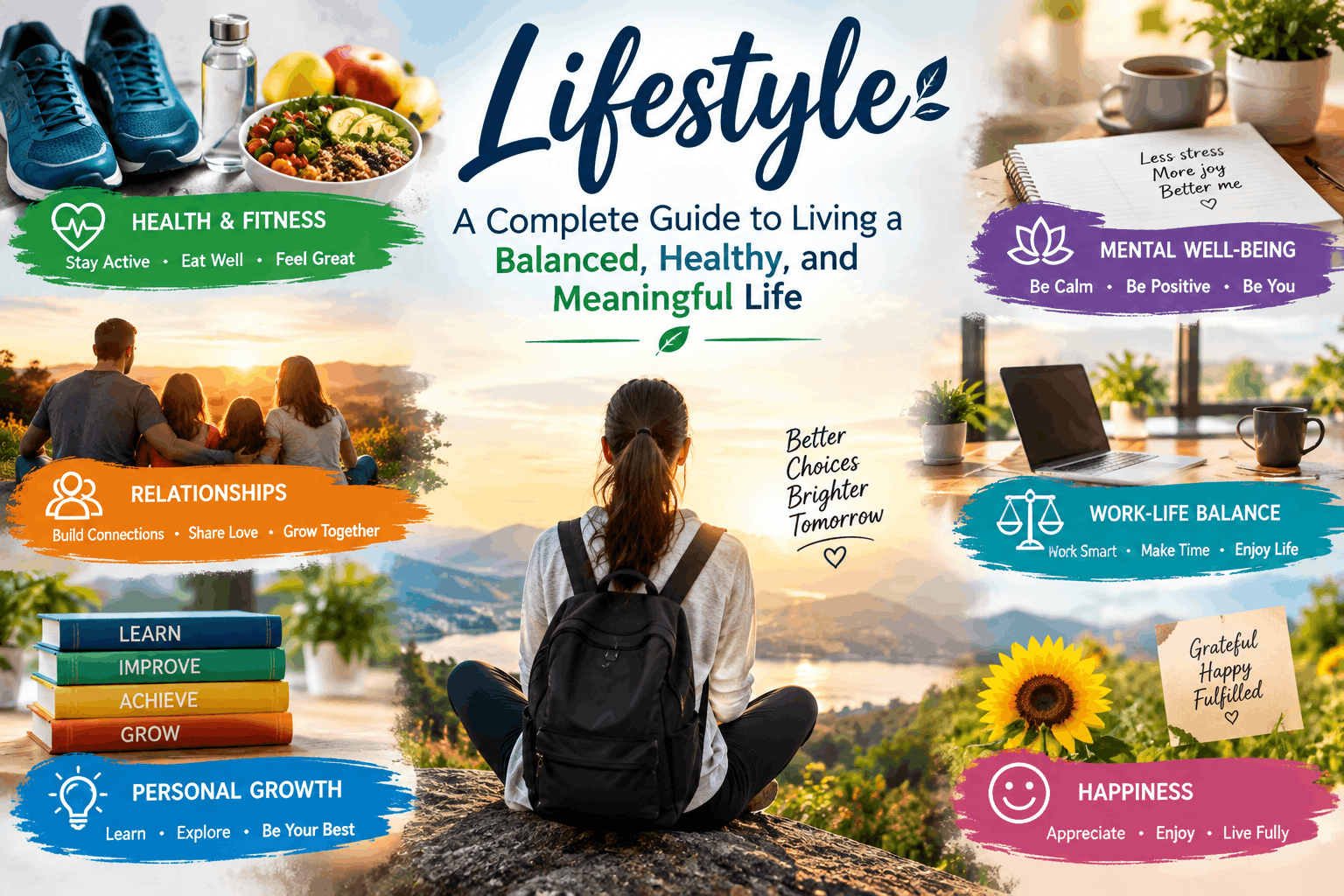
Lifestyle is more than the clothes we wear, the food we eat, or the places we visit. It is a combination of our daily habits, choices, routines, relationships, interests, values, and the way we spend our time. In a rapidly changing world, creating a balanced lifestyle can help people manage responsibilities while making room for health, relaxation, personal growth, and meaningful experiences.
Modern life can be demanding. Work, education, family responsibilities, technology, social commitments, and financial pressures can compete for attention. Without a healthy balance, it can become difficult to find time for ourselves.
A positive lifestyle does not require perfection or expensive products. It is built through practical decisions that support physical well-being, mental balance, relationships, productivity, and personal satisfaction.
This guide explores important aspects of modern lifestyle and provides ideas for creating routines that are more balanced, intentional, and enjoyable.
What Does Lifestyle Mean?
Lifestyle refers to the way a person or group lives. It includes everyday activities, habits, preferences, social interactions, and choices.
Lifestyle can include:
- Eating and cooking habits
- Exercise and physical activity
- Work and education
- Family and relationships
- Hobbies and entertainment
- Travel
- Personal finances
- Fashion and personal style
- Technology use
- Sleep and relaxation
- Personal development
- Social and community activities
Everyone has a different lifestyle. There is no single formula that works for everyone.
A healthy lifestyle should reflect individual needs, responsibilities, resources, and priorities.
The Importance of a Balanced Lifestyle
Balance is one of the most important principles of modern living.
Spending all your time working may increase productivity in the short term, but it can leave little opportunity for rest or relationships. Similarly, excessive entertainment can interfere with responsibilities.
A balanced lifestyle involves making space for different areas of life.
Work and productivity are important, but so are sleep, relationships, recreation, health, and personal interests.
Balance does not necessarily mean spending exactly the same amount of time on every area. Instead, it means recognizing what matters and making intentional choices about how time and energy are used.
Creating a Healthy Daily Routine
A daily routine can provide structure and reduce the amount of time spent deciding what to do next.
A simple routine might include waking at a consistent time, eating regular meals, completing important work, taking movement breaks, spending time with family or friends, and preparing for sleep.
Morning routines are particularly popular because they can create a positive beginning to the day.
A morning routine does not need to be complicated. Drinking water, stretching, walking, planning the day, eating breakfast, or spending a few quiet minutes without a phone can be enough.
The evening routine is equally important. Preparing for the next day, reducing unnecessary screen time, and creating a relaxing environment can make it easier to transition into sleep.
Healthy Eating as Part of Lifestyle
Food is an important part of everyday life, and healthy eating can contribute to overall well-being.
A balanced eating pattern generally includes a variety of foods. Fruits, vegetables, whole grains, protein-rich foods, healthy fats, and adequate fluids can all have a place in a nutritious diet.
Cooking at home can also be a valuable lifestyle habit. Preparing meals gives people greater control over ingredients and portion sizes while providing an opportunity to explore different cuisines.
Healthy eating does not mean that every meal must be perfect. Enjoying favorite foods occasionally can be part of a balanced lifestyle.
The goal is to create eating habits that are nutritious, practical, affordable, and sustainable.
Fitness and Active Living
Physical activity is another important part of lifestyle.
Being active does not necessarily require spending hours at a gym. Walking, cycling, dancing, swimming, playing sports, hiking, gardening, and home workouts can all provide movement.
People who spend much of their day sitting can benefit from incorporating short movement breaks into their routines.
An active lifestyle can also make everyday activities easier. Maintaining strength, endurance, flexibility, and mobility can support physical independence.
The most effective activity is often one that people enjoy and can continue regularly.
The Importance of Sleep
Sleep is often underestimated in modern lifestyles.
Busy schedules, late-night entertainment, work demands, and excessive screen use can interfere with healthy sleep routines.
Creating a consistent sleep schedule can help establish better habits. A comfortable bedroom, a relaxing pre-sleep routine, and reduced distractions may also support better rest.
Sleep is important for daily functioning, concentration, mood, and physical recovery.
Rather than treating sleep as time that could be used for additional work or entertainment, it can be viewed as an essential part of a productive lifestyle.
Work-Life Balance
Work can provide financial stability, purpose, personal development, and social opportunities. However, work can also consume too much time if boundaries are not established.
Work-life balance means creating enough space for responsibilities outside work.
Depending on the individual’s situation, this may involve setting working hours, taking regular breaks, avoiding unnecessary after-hours communication, or scheduling time for family and hobbies.
Remote work has created additional flexibility for many people, but it can also blur the boundary between work and personal life.
Creating a designated workspace and establishing clear working and non-working periods can help maintain separation.
Managing Digital Technology
Technology has become an essential part of everyday life.
Smartphones, computers, social media, streaming platforms, and online services provide convenience and entertainment. However, constant digital stimulation can make it difficult to focus or relax.
A healthier digital lifestyle involves using technology intentionally.
People can consider turning off unnecessary notifications, limiting distracting applications, keeping phones away during meals, and creating screen-free periods.
Digital tools should support life rather than control it.
Technology can also be used positively. Fitness applications, educational platforms, productivity tools, digital calendars, and communication services can help people organize their lives.
Building Strong Relationships
Relationships are an important part of a fulfilling lifestyle.
Family members, friends, colleagues, neighbors, and community groups can provide companionship, support, and shared experiences.
In a highly digital world, meaningful face-to-face interaction remains valuable.
Simple activities such as sharing meals, taking walks, having conversations, celebrating milestones, or participating in hobbies together can strengthen relationships.
Healthy relationships also require communication and boundaries. People should feel comfortable expressing their needs while respecting the needs of others.
Personal Growth and Learning
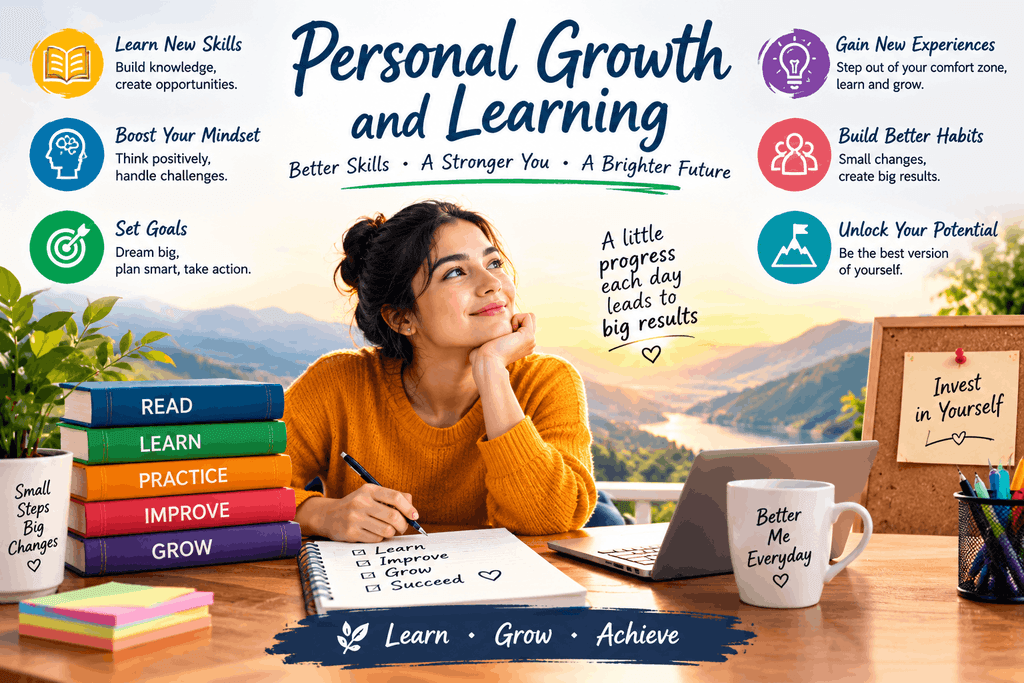
A fulfilling lifestyle includes opportunities to learn and grow.
Personal development does not have to involve formal education. Reading books, learning a language, developing a new skill, taking a course, practicing a hobby, or exploring a new subject can all support personal growth.
Learning can also build confidence and provide a sense of accomplishment.
Setting small learning goals can make personal development easier to maintain.
For example, someone might read for twenty minutes each day, practice a musical instrument several times a week, or dedicate time each weekend to learning a new skill.
Hobbies and Leisure
Leisure is not wasted time.
Hobbies provide opportunities to relax, explore interests, and enjoy activities without the pressure of work or achievement.
Popular hobbies include:
- Reading
- Photography
- Gardening
- Cooking
- Painting
- Writing
- Music
- Sports
- Gaming
- Traveling
- Crafting
- Hiking
A hobby does not need to generate income or produce a measurable result. Enjoyment itself can be a valuable reason to pursue an activity.
Travel and New Experiences
Travel can be an important part of lifestyle for people who enjoy exploring new places.
Travel provides opportunities to experience different cultures, foods, landscapes, traditions, and perspectives.
However, meaningful travel does not always require expensive international trips. Exploring nearby towns, parks, museums, historical locations, or natural areas can also create memorable experiences.
Planning travel carefully can make trips more enjoyable and reduce unnecessary stress.
Travel can also encourage people to take breaks from routine and experience something different.
Creating a Comfortable Home Environment
The home environment can have a significant influence on daily life.
A clean, organized, comfortable home can make everyday routines easier.
Organization does not necessarily mean having a minimalist home. Instead, it means creating a space that works for the people who live there.
Decluttering unnecessary items, organizing frequently used belongings, improving lighting, adding plants, and creating comfortable areas for work and relaxation can make a home more pleasant.
The ideal home should reflect the needs and personality of its residents.
Personal Style and Fashion
Fashion is another aspect of lifestyle.
Personal style allows people to express themselves through clothing, colors, accessories, and grooming.
Following trends can be enjoyable, but personal style does not require purchasing new clothing constantly.
Building a practical wardrobe with versatile pieces can make daily dressing easier.
Comfort, quality, personal preference, and suitability for different occasions are often more useful considerations than simply following every trend.
Financial Lifestyle
Money influences many lifestyle decisions.
Managing finances responsibly can reduce stress and create greater flexibility.
Basic financial habits include creating a budget, tracking expenses, maintaining savings where possible, avoiding unnecessary debt, and planning for future goals.
A balanced financial lifestyle does not mean avoiding all spending. Instead, it involves understanding priorities and making deliberate choices.
Spending money on experiences, hobbies, travel, or personal interests can be enjoyable when it fits within an individual’s financial circumstances.
Mindfulness and Being Present
Modern life can make people feel as though they are constantly moving from one task to another.
Mindfulness encourages greater awareness of the present moment.
Simple practices can include eating without distractions, taking a quiet walk, focusing on breathing, spending time in nature, or paying attention to everyday activities.
Being present does not require complicated techniques. Even short periods of intentional attention can provide a break from constant digital stimulation.
Spending More Time Outdoors
Nature can be an important part of a balanced lifestyle.
Spending time outdoors can provide opportunities for walking, exercise, relaxation, and exploration.
Parks, gardens, beaches, mountains, forests, and other natural environments offer alternatives to indoor and digital activities.
Outdoor activities can also be social. Walking with friends, having a picnic, cycling, hiking, or gardening can combine physical activity with relaxation and connection.
Sustainable Living
Lifestyle choices can also affect the environment.
Sustainable living involves making choices that reduce unnecessary waste and resource consumption.
Practical examples include reducing food waste, reusing items, choosing durable products, recycling where appropriate, using energy efficiently, and avoiding unnecessary purchases.
Sustainability does not require perfection. Small changes can become meaningful when they are maintained over time.
Buying fewer but more durable products can also contribute to a more intentional lifestyle.
Creating a More Productive Lifestyle
Productivity is not simply about doing more tasks.
A productive lifestyle involves using time and energy effectively while protecting health and personal well-being.
Prioritizing important tasks, organizing schedules, reducing distractions, and taking appropriate breaks can improve productivity.
One useful approach is to identify the most important tasks for the day and complete them before spending too much time on less important activities.
It is also important to recognize that rest can support productivity. Constantly working without adequate recovery can lead to exhaustion and reduced concentration.
Building Better Habits
Lifestyle changes become easier when they are turned into habits.
Instead of attempting to change everything at once, people can focus on one or two behaviors.
For example, someone might begin by taking a short walk every evening or preparing more meals at home.
Once a habit becomes familiar, another change can be introduced.
Consistency is generally more useful than perfection. Missing one day does not mean a habit has failed. The important thing is returning to the routine.
Avoiding Comparison
Social media can make it easy to compare personal lives with carefully selected images of other people’s lives.
People often see vacations, achievements, beautiful homes, fashionable clothing, and exciting experiences without seeing the challenges behind them.
Comparing everyday reality with someone else’s carefully presented highlights can create unrealistic expectations.
A healthier approach is to define personal goals based on individual values and circumstances.
Lifestyle should be about creating a life that is meaningful to you rather than trying to reproduce someone else’s life.
The Future of Modern Lifestyle
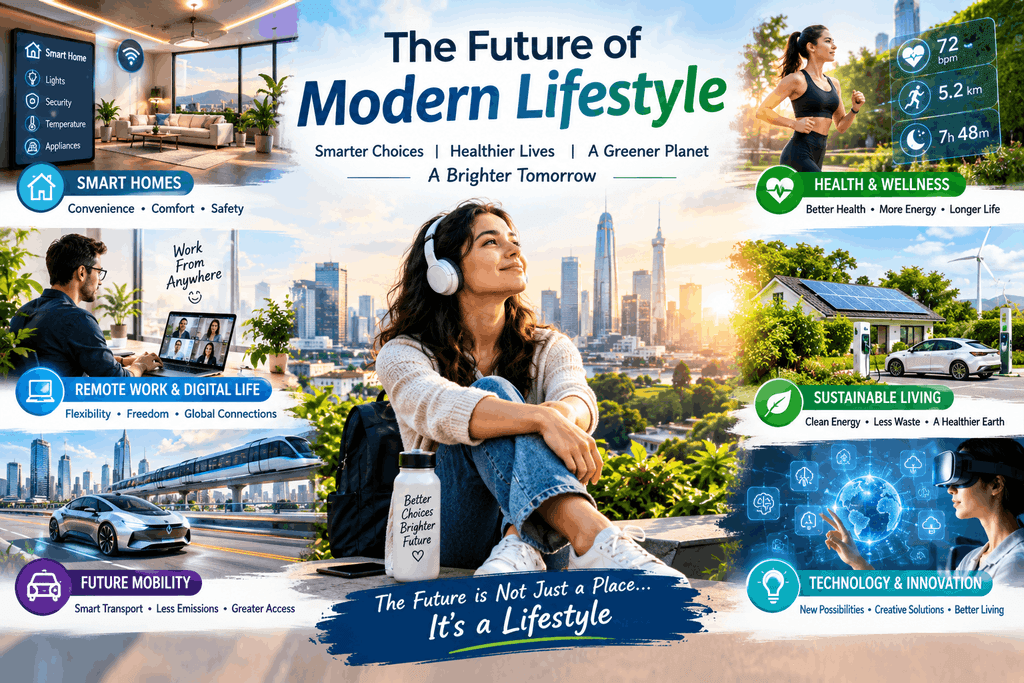
Technology will continue to influence the way people live.
Smart homes, wearable devices, artificial intelligence, remote work, digital entertainment, online education, and connected services are changing everyday routines.
These developments can create convenience and new opportunities, but they also require thoughtful use.
The future of lifestyle will likely involve finding a balance between digital convenience and real-world experiences.
People may increasingly use technology to automate routine tasks while placing greater value on health, relationships, experiences, creativity, and personal well-being.
Conclusion
A healthy lifestyle is not about following a perfect routine or copying someone else’s habits. It is about creating a way of living that supports your physical health, mental well-being, relationships, responsibilities, interests, and personal goals.
Small choices can make a meaningful difference. Eating nutritious meals, moving regularly, getting enough sleep, spending time with people you care about, managing technology, learning new things, enjoying hobbies, and making time to relax can all contribute to a more balanced life.
The key is consistency and intentionality.
Modern life will always include responsibilities and challenges. A good lifestyle does not eliminate those challenges, but it can help create routines and habits that make life more manageable and meaningful.
Ultimately, lifestyle is personal. The most rewarding approach is to understand what matters to you, make thoughtful choices, and build habits that support the kind of life you want to live.