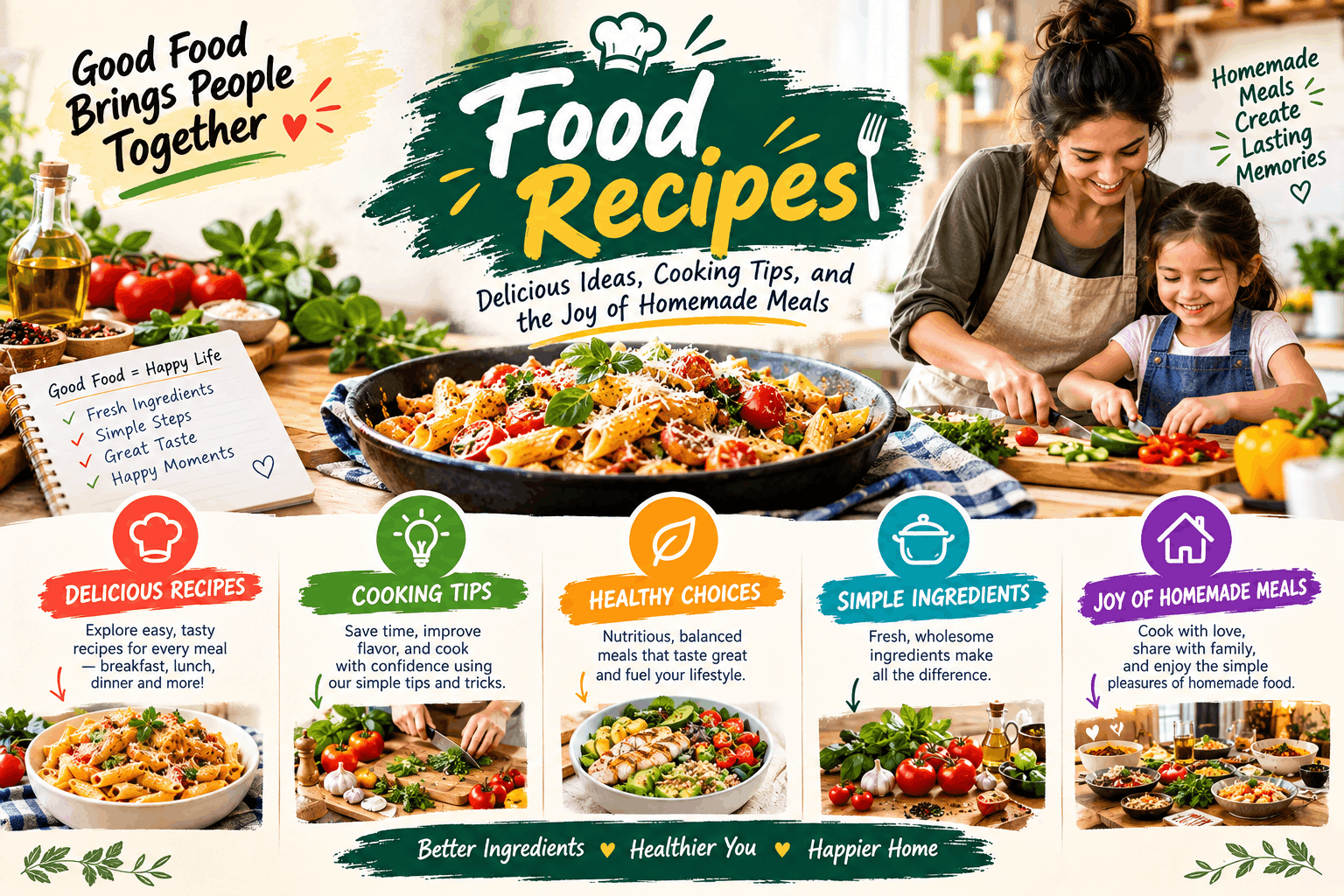
Food is one of the most enjoyable and meaningful parts of everyday life. A good meal can bring families together, introduce people to different cultures, and turn ordinary moments into memorable experiences. Whether you enjoy traditional home cooking, quick weeknight meals, international cuisine, baking, or experimenting with new ingredients, food recipes provide endless opportunities to explore the world of cooking.
In today’s busy lifestyle, people often look for recipes that are delicious, practical, affordable, and easy to prepare. At the same time, there is growing interest in homemade food because cooking at home allows people to choose ingredients, adjust flavors, and create meals according to their personal preferences.
Recipes are more than lists of ingredients and instructions. They are guides that help people transform basic ingredients into satisfying meals. A recipe can also become a starting point for creativity. Once you understand basic cooking techniques, you can change ingredients, experiment with spices, and create your own versions of familiar dishes.
This guide explores different types of food recipes, essential cooking techniques, meal-planning ideas, healthy cooking, international flavors, baking, kitchen organization, and tips for becoming a more confident home cook.
Why Food Recipes Matter
Recipes make cooking easier by providing a structure for preparing a meal.
A good recipe normally explains the ingredients, quantities, preparation methods, cooking times, and steps required to complete a dish.
For beginners, recipes provide confidence because they reduce uncertainty. Instead of guessing how much of an ingredient to use or how long something should cook, a recipe provides a starting point.
Experienced cooks may use recipes differently. Rather than following every instruction exactly, they may use a recipe as inspiration and adjust it based on available ingredients and personal taste.
Recipes can therefore serve both beginners and experienced cooks.
The Joy of Homemade Food
Homemade food has a special place in many households.
Cooking at home allows people to control ingredients and flavors. It can also be more economical than eating restaurant meals regularly.
Preparing food at home can become a relaxing activity. Chopping vegetables, mixing ingredients, kneading dough, or preparing a favorite family recipe can create a sense of routine and satisfaction.
Home cooking can also bring people together. Family members can prepare meals together, share recipes, and pass cooking traditions from one generation to the next.
Easy Breakfast Recipes
Breakfast provides an opportunity to start the day with a satisfying meal.
Simple breakfast recipes can include eggs, oatmeal, yogurt bowls, smoothies, pancakes, sandwiches, fruit, and homemade bread.
Eggs are particularly versatile. They can be scrambled, boiled, poached, baked, or combined with vegetables and herbs.
Oatmeal can be customized with fruits, nuts, seeds, cinnamon, yogurt, or other toppings.
For busy mornings, overnight oats can be prepared in advance. Combining oats with milk or another suitable liquid and allowing them to soften overnight creates a convenient breakfast.
Smoothies can also be prepared quickly using fruits, vegetables, yogurt, milk, or other ingredients.
The best breakfast is one that fits the individual’s schedule, preferences, and nutritional needs.
Quick Lunch Ideas
Lunch recipes often need to balance convenience with flavor.
Simple options include sandwiches, wraps, salads, rice bowls, soups, pasta, grilled vegetables, and leftover meals.
A balanced lunch can combine vegetables with a source of protein and a carbohydrate-based food.
For example, a simple rice bowl can include cooked rice, vegetables, beans or another protein source, and a flavorful sauce.
Salads can also become complete meals when combined with ingredients such as eggs, beans, chicken, fish, cheese, grains, nuts, or seeds.
Preparing lunch at home can also help reduce unnecessary spending on takeaway meals.
Delicious Dinner Recipes
Dinner is often the main meal of the day for families.
Popular dinner categories include curries, pasta dishes, grilled foods, soups, rice dishes, stir-fries, roasted vegetables, casseroles, and homemade pizzas.
One useful strategy is to prepare meals that can be reused in different ways.
For example, cooked vegetables can be used in a rice bowl one day and combined with pasta or eggs the next day.
Planning dinner in advance can reduce the stress of deciding what to cook after a busy day.
Traditional and Cultural Recipes
Food provides an important connection to culture and history.
Every region has traditional dishes influenced by local ingredients, climate, history, religion, trade, and family traditions.
South Asian cuisine, for example, is known for its use of spices, rice, breads, vegetables, lentils, and diverse cooking techniques.
Mediterranean cuisines often feature vegetables, grains, herbs, legumes, seafood, and olive oil.
East Asian cuisines include a wide range of rice, noodles, vegetables, seafood, sauces, and fermented foods.
Middle Eastern cuisines include dishes featuring grains, legumes, vegetables, meats, herbs, spices, and flatbreads.
Exploring international recipes can introduce home cooks to unfamiliar ingredients and techniques while providing an opportunity to learn about other cultures.
The Importance of Spices and Herbs
Spices and herbs can transform simple ingredients into flavorful meals.
Common herbs include parsley, coriander, basil, mint, rosemary, thyme, and oregano.
Spices include cumin, paprika, turmeric, cinnamon, black pepper, cardamom, cloves, ginger, and many others.
Different cuisines use different combinations of spices to create distinctive flavors.
Learning how individual spices taste can help cooks become more confident when developing recipes.
Fresh herbs can often add brightness at the end of cooking, while many dried spices are added earlier so their flavors have time to develop.
Healthy Cooking at Home
Healthy cooking does not mean sacrificing flavor.
There are many ways to create nutritious meals while maintaining enjoyable flavors.
Including a variety of vegetables, fruits, whole grains, legumes, and protein-rich foods can create diverse meals.
Cooking methods such as baking, grilling, steaming, roasting, and sautéing can provide alternatives to deep frying.
However, healthy eating is not about completely eliminating particular foods. A balanced approach can include favorite foods while emphasizing variety and moderation.
People with specific dietary needs should consider advice from an appropriate healthcare or nutrition professional.
Vegetarian and Plant-Based Recipes
Vegetarian cooking offers a wide range of possibilities.
Beans, lentils, chickpeas, peas, tofu, vegetables, grains, nuts, and seeds can be used to create satisfying dishes.
Vegetarian recipes can include curries, soups, salads, pasta, rice dishes, wraps, roasted vegetables, and homemade burgers.
Plant-based cooking also encourages creativity. Vegetables can be prepared in different ways to create different textures and flavors.
Trying vegetarian meals regularly can introduce cooks to ingredients they may not normally use.
Chicken and Meat Recipes
Chicken and meat remain popular ingredients in many cuisines.
They can be grilled, roasted, baked, stewed, stir-fried, or cooked with sauces and spices.
Chicken can be used in soups, curries, salads, sandwiches, pasta, rice dishes, and wraps.
When preparing meat, safe food-handling practices are important. Raw meat should be kept separate from ready-to-eat foods, and appropriate cooking temperatures should be followed.
Using herbs, spices, marinades, and sauces can add flavor without requiring complicated techniques.
Seafood Recipes
Seafood can be prepared in many different ways.
Fish can be baked, grilled, steamed, pan-cooked, or incorporated into soups and curries.
Shrimp and other seafood can work well in pasta, rice dishes, salads, and stir-fries.
Seafood recipes often benefit from simple flavors such as lemon, herbs, garlic, ginger, or spices.
Freshness and safe storage are especially important when preparing seafood.
Baking at Home
Baking is both a cooking technique and a creative hobby.
Cakes, cookies, bread, muffins, pies, pastries, and other baked goods can be prepared at home.
Baking often requires greater precision than some other types of cooking because ingredient ratios can affect texture and structure.
Accurate measurements, correct oven temperatures, and appropriate mixing techniques can make a significant difference.
Beginners can start with simple recipes before moving to more complex pastries and decorated cakes.
Desserts and Sweet Recipes
Desserts provide a delicious way to finish a meal.
Popular homemade desserts include fruit salads, puddings, cakes, cookies, brownies, ice cream, custards, and pies.
Fruit can also serve as the foundation of many simple desserts.
For example, baked apples with cinnamon or yogurt topped with fruit and nuts can provide a simple alternative to more elaborate desserts.
Dessert recipes can be adapted according to personal preferences and dietary requirements.
Quick Snacks
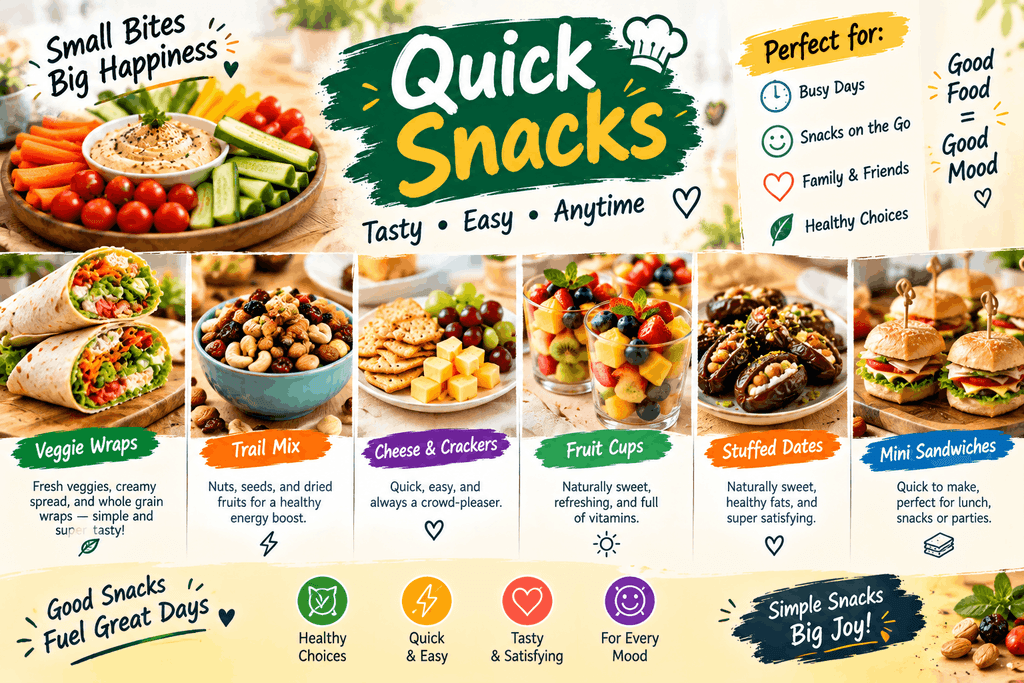
Snacks can be useful between meals.
Homemade snack ideas include roasted chickpeas, fruit, yogurt, sandwiches, nuts, vegetable sticks, popcorn, homemade energy bites, and baked snacks.
Preparing snacks in advance can make it easier to choose convenient options during busy days.
Keeping ingredients organized and accessible can also make homemade snacks easier to prepare.
Meal Planning
Meal planning can make cooking more efficient.
Instead of deciding what to cook every day, people can plan several meals in advance.
A weekly meal plan might include breakfast, lunch, dinner, and snacks.
Meal planning can help reduce food waste because ingredients can be purchased according to specific recipes.
It can also save time by allowing people to prepare ingredients in batches.
For example, vegetables can be washed and chopped in advance, grains can be cooked ahead of time, and sauces can be prepared for later meals.
Grocery Shopping for Recipes
A well-organized shopping list can make grocery trips easier.
Before shopping, check what ingredients are already available at home.
Group items by category, such as vegetables, fruits, dairy, grains, proteins, spices, and household products.
Buying only what is needed can help reduce food waste.
However, it is also useful to keep basic pantry ingredients available. Items such as rice, pasta, flour, canned beans, spices, cooking oil, and dried herbs can become the foundation of many meals.
Reducing Food Waste
Food waste is a significant concern for households.
Planning meals, storing food correctly, using leftovers creatively, and checking expiration information can help reduce waste.
Vegetable leftovers can sometimes be used in soups, omelets, stir-fries, or sauces.
Cooked grains can be turned into rice bowls or salads.
Leftover roasted vegetables can become fillings for wraps or additions to pasta dishes.
Creative use of leftovers can save money while reducing unnecessary waste.
Essential Cooking Techniques
Learning basic cooking techniques can make recipe preparation easier.
Important techniques include:
Sautéing
Sautéing involves cooking ingredients relatively quickly in a pan with a suitable amount of fat.
It is commonly used for vegetables, meat, and aromatics.
Roasting
Roasting uses dry heat, usually in an oven, to cook and brown food.
Vegetables, meats, and some fruits can be roasted.
Steaming
Steaming cooks food using hot steam.
It can be useful for vegetables, fish, dumplings, and other foods.
Baking
Baking generally uses dry heat in an oven and is commonly associated with bread, cakes, pastries, and casseroles.
Grilling
Grilling cooks food using direct or indirect heat and can create distinctive flavors and browned surfaces.
Understanding these techniques allows cooks to adapt recipes more confidently.
Kitchen Organization
An organized kitchen can make cooking more enjoyable.
Keeping frequently used utensils accessible and storing ingredients in clearly labeled containers can reduce preparation time.
Knives should be handled carefully and stored safely.
Cleaning as you cook can also prevent a large pile of dishes from accumulating at the end of the meal.
A clean and organized kitchen creates a more comfortable environment for experimenting with recipes.
Cooking for Family and Friends
Food has the power to bring people together.
Preparing a meal for family or friends can be a meaningful way to celebrate birthdays, holidays, achievements, or ordinary evenings.
Cooking together can also become a social activity.
Guests can participate by preparing salads, setting the table, making desserts, or helping with simple preparation.
Shared meals create opportunities for conversation and connection.
Making Recipes Your Own
Recipes do not always need to be followed exactly.
Once you understand the basic structure of a dish, you can experiment with ingredients.
You might add different vegetables, change spices, substitute an ingredient, or adjust the level of seasoning.
Cooking becomes more creative when you learn how ingredients interact.
Keeping notes about successful changes can also help you improve recipes over time.
The Role of Food Technology
Technology has changed how people discover and prepare recipes.
Recipe websites, mobile applications, cooking videos, smart kitchen appliances, digital thermometers, food processors, air fryers, and other tools can make cooking more convenient.
Video recipes are particularly useful because viewers can see techniques rather than simply reading instructions.
However, traditional cooking knowledge remains valuable. Understanding heat, seasoning, texture, ingredient combinations, and timing can help cooks adapt when technology or specific equipment is unavailable.
Food as a Cultural Experience
Recipes can tell stories.
A family recipe may represent generations of tradition. A regional dish can reflect local agriculture and history. A festive meal can be connected to a particular celebration or cultural practice.
Trying traditional recipes can therefore be a way to learn about people and places.
Food can create connections between cultures by allowing people to experience unfamiliar flavors in a familiar setting: the shared meal.
Becoming a Better Home Cook
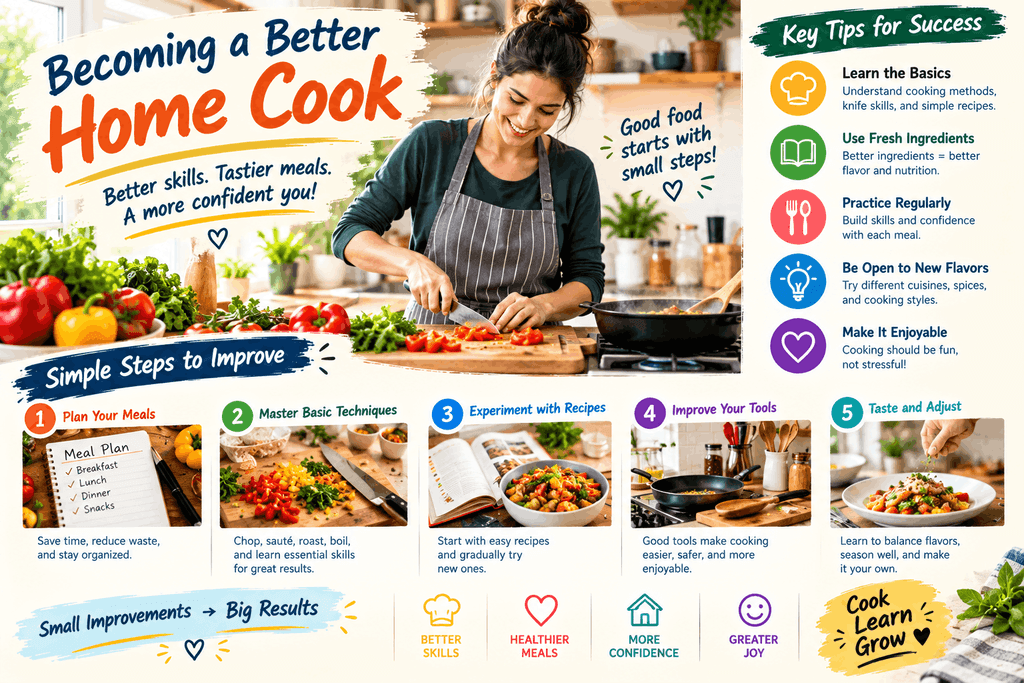
Improving cooking skills takes practice.
Beginners should not be discouraged by mistakes. Burned food, incorrect seasoning, or a recipe that does not turn out as expected can provide useful lessons.
Start with simple recipes and gradually experiment with more complicated dishes.
Learn basic knife skills, cooking temperatures, seasoning, ingredient preparation, and food safety.
Most importantly, taste food during appropriate stages of cooking and pay attention to how ingredients change.
Over time, cooking becomes less about following instructions and more about understanding what the food needs.
Conclusion
Food recipes open the door to creativity, culture, health, and connection. From quick breakfasts and simple lunches to traditional family meals, international dishes, desserts, and homemade bread, there are endless possibilities in the kitchen.
Cooking at home can help people save money, explore new flavors, control ingredients, reduce food waste, and spend meaningful time with family and friends.
The key to successful cooking is not having the most expensive equipment or knowing hundreds of recipes. It is understanding basic ingredients and techniques, practicing regularly, and being willing to experiment.
A recipe can provide the starting point, but the kitchen is a place where creativity can take over.
Whether you are a beginner learning how to prepare your first meal or an experienced cook looking for new ideas, food offers endless opportunities to learn and create. Every meal can become a new experience, and every recipe can be adapted to reflect your own taste and style.
Ultimately, the joy of food comes not only from eating a delicious meal but also from the process of creating it, sharing it, and making memories around the table.